


When to Adopt Kittens and Bring Them Home
A kitten may look ready for a new home the moment they are eating on their own and racing across the room. But when to adopt kittens is about much more than independence. The weeks a kitten spends with their mother, littermates, and attentive breeder shape their health, confidence, manners, and ability to settle into family life.
For most well-raised pedigreed kittens, 12 to 14 weeks is an ideal time to go home. That timeline can feel long when you are excited to meet your new companion, but those extra weeks are purposeful. They allow a kitten to finish important developmental lessons while receiving consistent care, socialization, and monitoring in the place where they were born.
When to Adopt Kittens: Why 12 to 14 Weeks Matters
Kittens develop quickly, but their early growth is not just physical. During the first few months, they learn how to communicate with other cats, how firmly to use their teeth and claws, and how to respond to unfamiliar sounds, handling, and daily household activity.
A kitten who leaves too early may be fully weaned, yet still miss valuable time learning from mom and littermates. Play-wrestling with siblings teaches bite inhibition. Gentle correction from their mother helps them understand boundaries. Sharing space with a litter also builds resilience, curiosity, and appropriate feline social skills.
By 12 to 14 weeks, a kitten is generally more emotionally prepared for the changes that come with a new family, new scents, and a new routine. They are still young enough to bond deeply with their people, but they have had more time to become secure little individuals first.
For Ragdoll kittens especially, patience is worthwhile. Ragdolls are known for their affectionate, people-oriented nature, and a careful start supports the easygoing companionship families hope for. Every kitten has a unique personality, though. A confident, outgoing kitten and a quieter kitten may both be ready within this general window, but a conscientious breeder watches the individual rather than treating every litter the same.
The Health Benefits of Waiting
A responsible homecoming timeline gives breeders time to observe each kitten closely. Small changes in appetite, stool quality, energy, weight gain, or breathing can be noticed early when kittens remain in a familiar environment with experienced daily care.
The later part of kittenhood also allows time for age-appropriate veterinary care. Kittens commonly begin their vaccine series while still with the breeder, but they will need future boosters with their new veterinarian. A breeder should clearly explain what care has been completed, what is due next, and what records will go home with your kitten.
This period is also valuable for parasite prevention, litter-box observation, and a final assessment of how each kitten is thriving. No breeder can promise that a living animal will never face a health concern, but thoughtful breeding, health-focused care, and appropriate time with the litter give a kitten a stronger foundation.
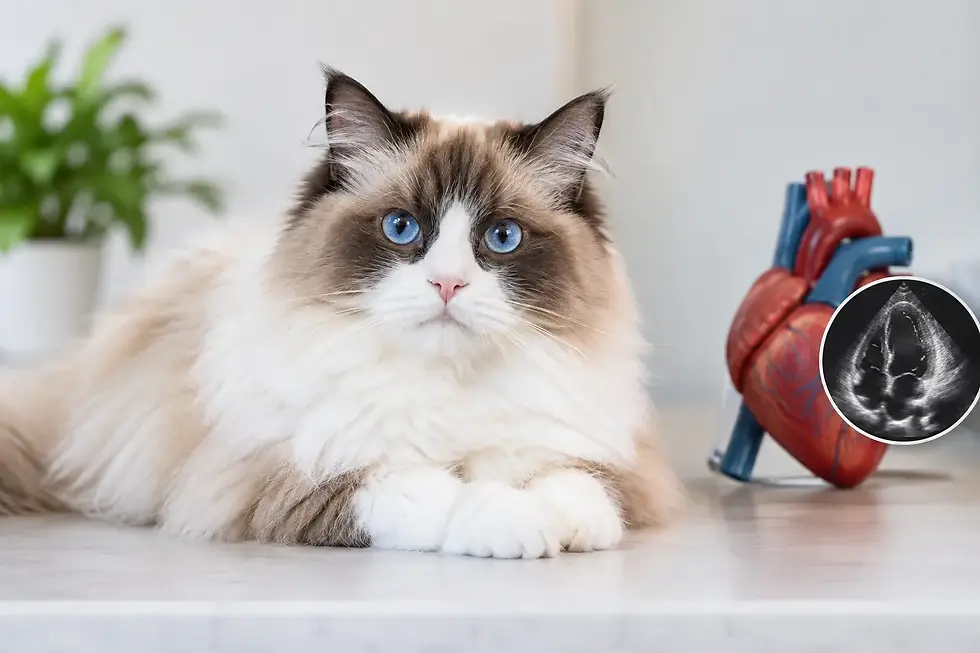
At Hill Raising Ragdolls, health testing and careful home raising are part of that foundation. Parents should be screened according to responsible breeding standards, including appropriate testing for concerns such as FeLV/FIV, PKD, and HCM. Just as important, families should feel comfortable asking what those results mean and how a breeder supports kittens before placement.
Eight Weeks Is Not Always the Best Answer
You may see kittens advertised as ready at eight weeks old. In some areas, that is the earliest age permitted for placement, and it is understandable that families associate it with readiness. However, the minimum legal age is not always the best developmental age.
At eight weeks, many kittens are eating solid food and using the litter box reliably. That does not mean they have completed the social and emotional learning that happens over the next month. Leaving early can be associated with increased stress, rough play, difficulty adjusting, or litter-box challenges in some kittens.
There are occasional situations that require a different plan. An orphaned kitten, for example, may need specialized veterinary-guided care and a carefully chosen foster arrangement. A kitten with a health concern may need to stay longer than expected for monitoring. These are not reasons to rush a kitten home. They are reasons for a breeder and veterinarian to make decisions centered on the kitten's welfare.
Reservation Timing Is Different From Homecoming Timing
Families often worry that waiting until 12 to 14 weeks means they must wait that long to begin the process. Fortunately, a reservation and a homecoming are two separate milestones.
Many reputable breeders begin speaking with prospective families before kittens are ready to leave. An application, conversation, or reservation process helps ensure that the household is prepared and that the breeder can learn what temperament, color preference, and family circumstances may be a good match. It also gives families time to ask meaningful questions without feeling pressured by a quick sale.
This is particularly helpful for first-time Ragdoll owners. You can prepare your home, select a veterinarian, and learn about grooming, nutrition, and safe introductions while your kitten continues to grow with their mother and littermates. The wait becomes part of the preparation, not simply time spent watching the calendar.
A trustworthy breeder should be clear about estimated timing without making promises that ignore the needs of a living litter. Kittens do not always mature on an identical schedule, and a breeder may adjust a go-home date if a kitten needs more time. That is a sign of care, not inconvenience.
Signs a Kitten Is Ready for a New Family
Age is a useful guide, but readiness should also include everyday milestones. Before going home, a kitten should be confidently eating kitten food, drinking water, and using the litter box consistently. They should be gaining weight appropriately, moving comfortably, and showing normal curiosity and engagement for their personality.
They should also be accustomed to gentle human handling. A kitten raised in a family environment benefits from calm exposure to ordinary sounds, respectful play, being picked up, nail trims, brushing, and carrier time. Socialization should never mean overwhelming a kitten. It means offering safe, positive experiences that help them feel secure around people.
Ask the breeder how the kittens are raised day to day. Are they part of normal home life? Have they been handled regularly? What food and litter are they using? Has the breeder noticed a kitten who is especially adventurous, cuddly, or reserved? Specific, thoughtful answers tell you far more than a single polished photo ever could.
Preparing for the First Week at Home
Even a well-socialized kitten will need a gentle transition. New homes are exciting, but they are also full of unfamiliar sounds and smells. Start your kitten in one quiet, kitten-safe room with food, water, a litter box, a cozy bed, and a secure hiding option. This smaller space helps them settle before exploring the rest of the home.
Keep the first few days peaceful. Let your kitten approach at their own pace, sit nearby, and use calm voices. Children should be shown how to pet gently and how to give the kitten breaks. If you have other pets, introductions should be gradual and supervised rather than immediate.
Maintain the food and litter routine your breeder recommends at first. A sudden change in diet during an already stressful transition can upset a kitten's stomach. Once your kitten is comfortable, changes can be made slowly if needed. Schedule a new-pet visit with your veterinarian soon after arrival, even when the kitten has already received excellent care and records from the breeder.
The right time to bring home a kitten is not the earliest possible date. It is the point when that kitten is healthy, well-socialized, confidently independent, and ready to trade the comfort of the litter for the love of your home. A few extra weeks of patient care can shape years of companionship, and your kitten deserves that thoughtful beginning.


Comments