


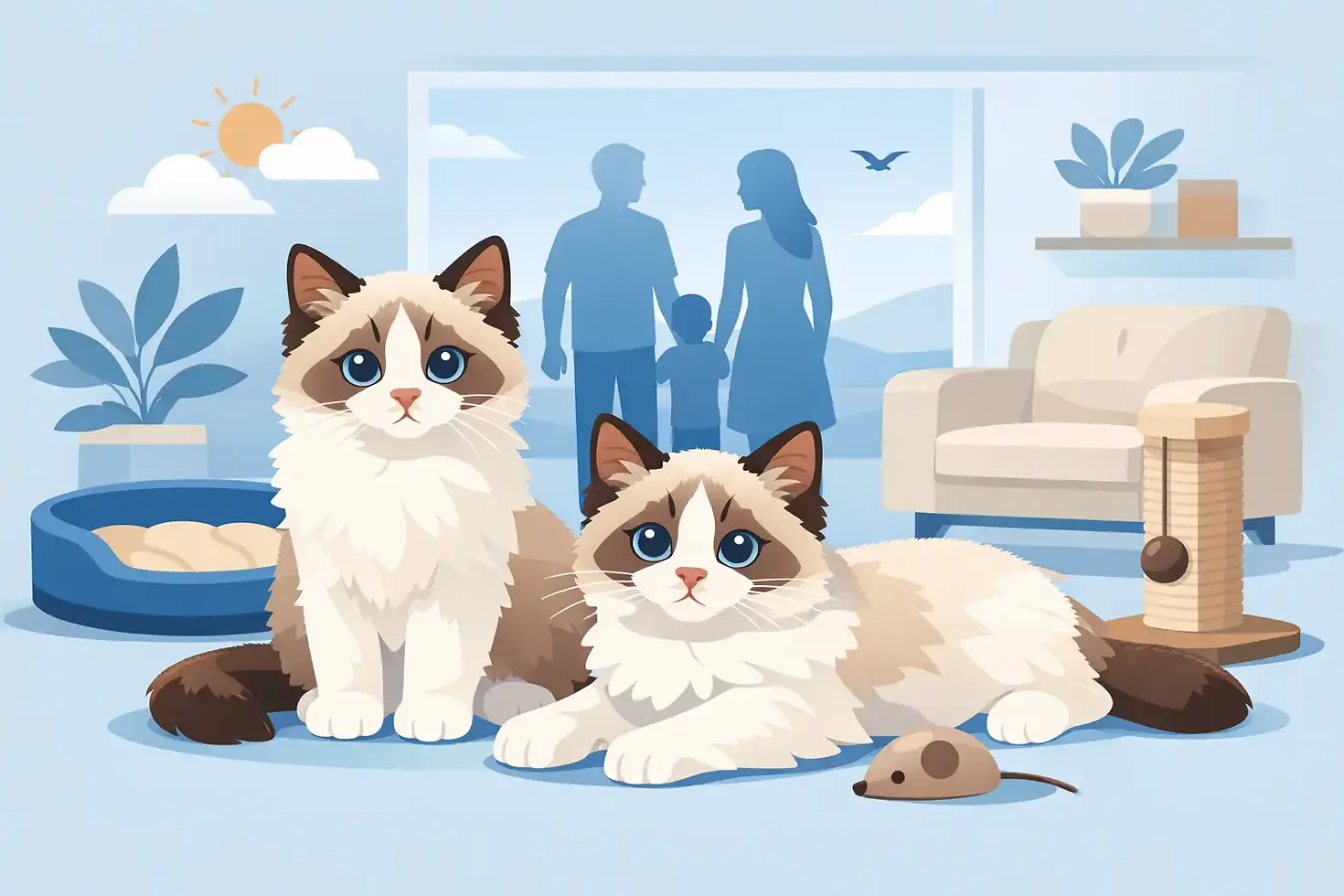
Ragdoll Kittens: What Families Should Know
Some kittens are charming for five minutes. Ragdoll kittens tend to win people over for the long haul - with soft coats, calm personalities, and a strong desire to be near their people. For many families, that combination feels almost perfect. But a beautiful kitten is only part of the story. The way that kitten is bred, handled, socialized, and cared for in the first weeks of life matters just as much.
If you are searching for a Ragdoll, you are probably not just looking for any cat. You are likely hoping for a healthy, affectionate companion who settles into family life with confidence. That means knowing what this breed is really like, what questions to ask a breeder, and what signs point to a kitten who has been raised with care rather than produced for speed.
Why ragdoll kittens are so loved
Ragdolls are known for their easygoing nature, people-oriented temperament, and striking appearance. Many are relaxed when held, enjoy following their owners from room to room, and fit well into households that want a cat with a social, gentle presence. They are often described as affectionate without being overly demanding, which is a big part of their appeal.
That said, temperament is never guaranteed by breed name alone. Good breeding and early handling play a major role. A well-bred Ragdoll kitten should not only look like a Ragdoll, but also show the steady, trusting disposition families hope for. Kittens raised in a busy, loving home environment usually have a much better start than kittens raised with minimal interaction.
Ragdolls also mature slowly. What you see at eight or ten weeks is only the beginning. Their size, coat, and color continue developing over time, and personality often deepens as they grow. Families who expect a tiny kitten forever may be surprised by how large and substantial an adult Ragdoll can become.
What to expect from a Ragdoll personality
In the right home, Ragdolls are often wonderful companions for adults, couples, and families with children. They tend to enjoy routine, gentle handling, and close contact with their people. Many do well with respectful children and other pets when introductions are handled properly.
Still, this is where honesty matters. Even a calm breed has individual differences. Some kittens are instantly outgoing. Others are softer and more observant at first. A responsible breeder pays attention to these differences and helps match each kitten to the right home rather than treating every kitten as interchangeable.
Energy level is another area where expectations should stay realistic. Ragdolls are usually not as busy or intense as some breeds, but they are still kittens. They play, climb, chase toys, and test boundaries. Families sometimes hear the word relaxed and assume low involvement. In reality, young kittens need supervision, enrichment, and time.
How to choose healthy ragdoll kittens
The safest way to find a healthy kitten is to start with the breeder, not the available litter. A polished website or pretty photos are not enough. Responsible breeders put their standards in writing, explain their process clearly, and welcome informed questions.
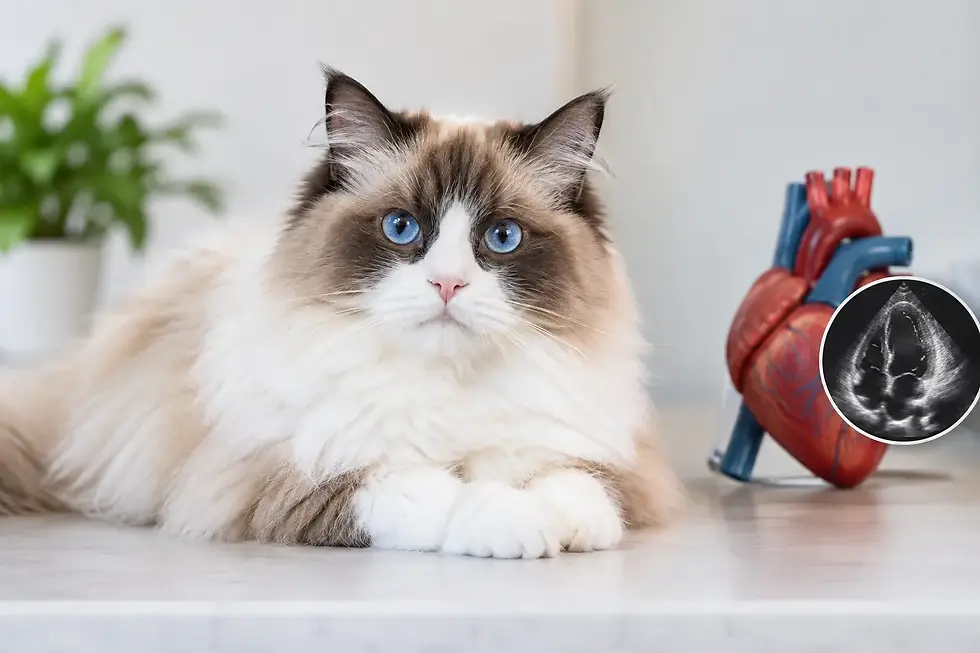
Health testing should be one of the first topics discussed. Breeding cats should be screened appropriately, and buyers should understand what testing has been done and why it matters. For Ragdolls, that often includes attention to HCM and PKD, along with routine infectious disease screening such as FeLV and FIV. A breeder who values long-term health will usually be direct and consistent when talking about these topics.
Registration also matters, though it should not be confused with quality by itself. TICA or CFA registration can support legitimacy, but registration alone does not prove a breeder is ethical. It is one piece of the picture. The fuller picture includes health practices, living conditions, socialization, transparency, and willingness to stand behind the kittens they produce.
You should also ask how the kittens are raised. Are they handled daily? Are they exposed to normal household sounds? Are they being observed for temperament as they grow? Kittens raised as part of home life generally adjust more smoothly than kittens raised with little personal interaction.
A good breeder will often have a process that includes an application, deposit or reservation system, contract, and clear pickup timing. That structure is not a red flag. In many cases, it is a sign that the breeder is protecting the kittens and placing them thoughtfully.
Red flags buyers should not ignore
The strongest warning signs are usually patterns, not one isolated issue. If a breeder always has kittens available, avoids questions, offers no proof of testing, or pressures you to send money quickly, take a step back. If the communication feels vague or inconsistent, that matters too.
Another concern is a breeder who focuses almost entirely on color or eye appeal while barely discussing health, behavior, or placement. Appearance is part of the breed, of course, but responsible breeding is never just about producing attractive kittens.
Very early release is another serious issue. Kittens need enough time with their mother and littermates to develop physically and socially. Sending them home too young can create avoidable challenges with adjustment, confidence, and health.
Families should also be cautious of sellers who cannot clearly explain what support is offered after pickup. Bringing home a kitten comes with questions. A breeder who cares about placement usually remains available to guide new owners through feeding, transitions, and normal kitten behavior.
Preparing your home for a Ragdoll kitten
The first few days shape a kitten's sense of safety. Before bringing one home, set up a quiet space with food, water, a litter box, bedding, scratching options, and a few simple toys. A smaller starting area often helps a kitten adjust without feeling overwhelmed.
Try not to make the first day too busy. Children should be encouraged to sit calmly and let the kitten approach at its own pace. Guests, loud activity, and constant handling can make a young kitten shut down, even if its long-term temperament is very social.
Routine helps more than most people expect. Feed on a regular schedule, keep the litter box easy to access, and allow time for rest between play sessions. Kittens need a lot of sleep, and overtired kittens can become nippy or frantic in ways that are temporary but stressful if misunderstood.
If you already have pets, introductions should be gradual. Slow, thoughtful introductions usually lead to better relationships than forcing immediate contact. A calm breed does not mean a kitten will instantly feel comfortable with every dog or cat in the home.
Grooming, care, and daily life
Ragdolls have beautiful coats, but coat care is manageable when started early and done gently. Regular brushing helps reduce tangles, loose hair, and grooming struggles later. The goal is not just coat maintenance. It is also teaching the kitten that handling is safe and normal.
Nail trims, ear checks, and carrier practice should begin while the kitten is still young. Small, positive experiences build confidence. The same is true for veterinary visits. A kitten that has been handled thoughtfully from the start usually copes better with routine care.
Nutrition also deserves attention. Rapid growth, digestive sensitivity, and changing activity levels can all affect what works best. Families should follow breeder guidance during the transition period rather than changing food immediately unless there is a clear medical reason.
This breed does best when treated as part of the family. Ragdolls are not ideal for homes where they will spend long periods isolated with little interaction. They thrive on companionship, predictable care, and daily engagement.
Finding the right breeder matters more than finding the fastest kitten
When families contact Hill Raising Ragdolls, they are often looking for reassurance as much as a kitten. That makes sense. Choosing a breeder can feel overwhelming, especially with so much conflicting information online. A thoughtful breeder will not rush that decision. They will explain their standards, answer questions honestly, and help you understand whether a particular kitten is the right fit for your home.
The best match is not always the first available kitten or the one with the flashiest markings. It is the kitten whose health, temperament, and early care give it the strongest possible start. That kind of beginning supports the bond families are really hoping for - one built on trust, stability, and years of companionship.
If you are considering a Ragdoll, give yourself permission to go slowly, ask detailed questions, and choose care over convenience. The right kitten is worth waiting for, and the right beginning makes all the difference.


Comments