


Ragdoll Kitten Buying Guide for Families
A beautiful kitten can make your heart race in seconds. A responsible purchase should slow you down.
This ragdoll kitten buying guide is for families and individuals who want more than a pretty face. If you are bringing home a Ragdoll, you are choosing a breed known for gentleness, closeness with people, and a relaxed temperament. That makes breeder choice, health standards, and early socialization just as important as color or pattern.
Why a ragdoll kitten buying guide matters
Ragdolls are often described as affectionate, easygoing, and deeply people-oriented. Those traits are real, but they do not appear by accident. Good temperament is shaped by genetics, careful handling, a clean environment, and thoughtful early experiences.
That is why the first decision is not which kitten has the darkest points or the fluffiest coat. The first decision is whether the breeder is doing the quiet, disciplined work behind the scenes. A healthy, well-adjusted kitten usually comes from a program that values testing, structure, and quality over quantity.
For many buyers, the biggest worry is getting scammed or ending up with a sick kitten. That concern is valid. The internet has made it easy for anyone to post polished photos and make big promises. A trustworthy breeder welcomes questions, explains their process clearly, and does not pressure you to send money before you feel informed.
Start with the breeder, not the kitten
If you are serious about bringing home a Ragdoll, begin by evaluating the breeder as carefully as you would evaluate the kitten. Registration matters, but it is only one part of the picture. TICA or CFA registration can show that a breeder is participating in recognized breed organizations, but registration alone does not prove ethics or health practices.
Ask how their cats are raised. Kittens that grow up in an active home, with regular handling and exposure to normal household sounds, often transition more smoothly than kittens raised with limited interaction. Socialization in the early weeks can influence confidence, adaptability, and how a kitten settles into family life.
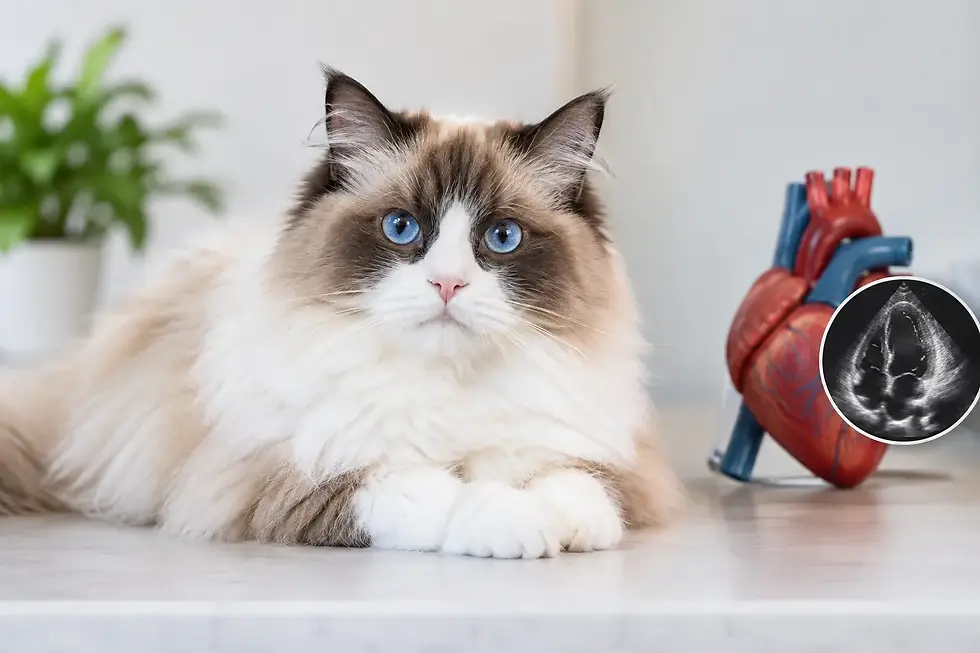
Health testing should be discussed plainly, not vaguely. A responsible breeder should be able to explain what they test for in their breeding cats and why. For Ragdolls, buyers should pay close attention to screening related to FeLV and FIV status, as well as PKD and HCM concerns in the lines. It is reasonable to ask direct questions here. Ethical breeders expect that.
You should also pay attention to pacing. Good breeders rarely have kittens constantly available in large numbers. That can be frustrating if you are eager, but it is often a sign that the breeder is focused on careful pairing and individualized care rather than volume.
What to ask before you reserve a kitten
The right questions can tell you a great deal about a breeder's standards. Ask about parent health testing, veterinary care, vaccination schedules, deworming, registration, and what support is offered after pickup. You should also ask when kittens are allowed to leave for their new homes.
A breeder who sends kittens home too early may be prioritizing convenience over development. Those last weeks with littermates and mom are important for learning, confidence, and emotional balance. Waiting can be hard, but it often pays off in a smoother adjustment once your kitten comes home.
It is also wise to ask about contracts and reservation procedures. A professional breeder should have a clear process, not a casual arrangement built on text messages and vague promises. You want to understand the deposit policy, what is included with your kitten, whether there is a health guarantee, and what happens if the breeder determines that a particular kitten is not the best fit for your home.
That last point matters more than many buyers realize. Responsible placement is not a red flag. It is a sign that the breeder cares where each kitten goes.
How to evaluate kitten health and development
A healthy Ragdoll kitten should appear bright, clean, and comfortable being handled. The eyes should be clear, the nose should not be runny, and the coat should feel soft and well-kept. The kitten should move normally and show curiosity, even if it is having a sleepy moment.
Temperament is worth watching closely. Ragdolls are known for a calm, affectionate nature, but kittens still have individual personalities. Some are immediately outgoing. Others are gentler and more observant at first. Neither is automatically better. What matters is whether the kitten seems stable, responsive, and appropriately social for its age.
Photos help, but they are not enough. If you cannot visit in person, ask for detailed updates and honest communication about the kitten's personality and routine. A breeder who knows their kittens well should be able to describe more than appearance. They should be able to tell you who likes to cuddle, who follows people from room to room, who is more playful, and who takes a little longer to warm up.
Price, value, and what you are really paying for
Ragdoll kittens from responsible breeders are not inexpensive, and there is a reason for that. Ethical breeding involves health testing, quality food, veterinary care, registration, safe housing, sanitation, time-intensive socialization, and careful matching of homes.
A low price can feel like a win at first. Sometimes it is simply a lower-cost opportunity. Often, though, it reflects corners being cut somewhere in the process. That may mean reduced testing, poor socialization, weak communication, or breeding decisions based on output rather than long-term health and temperament.
This does not mean the highest price is always the best choice. It means buyers should understand what stands behind the price. Ask what is included and what standards support it. Value is not just the moment you bring the kitten home. It is the quality of the start that kitten has been given.
Preparing your home before pickup day
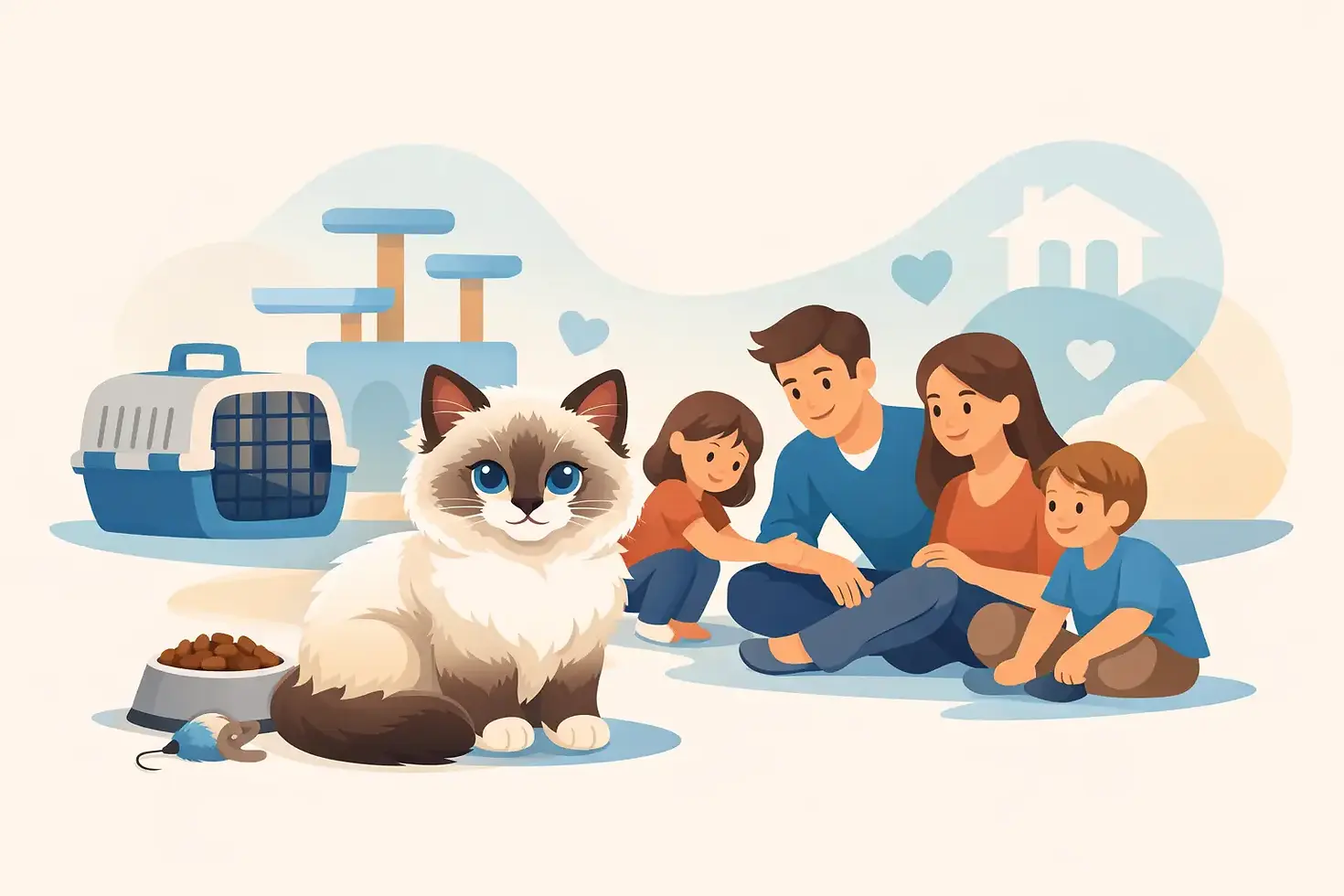
Bringing home a Ragdoll is easier when the house is ready before the kitten arrives. Set up one calm starter space with food, water, a litter box, safe toys, and a cozy sleeping area. A smaller initial space can help a young kitten feel secure instead of overwhelmed.
Families with children should talk through expectations in advance. Ragdolls tend to be loving and tolerant, but they still need gentle handling and quiet breaks. Young children should be taught to sit on the floor when holding or petting a kitten, to avoid sudden grabbing, and to respect resting time.
If you have other pets, slow introductions matter. Even a social kitten may need time to adjust to new smells, sounds, and routines. A careful transition reduces stress and gives everyone a better chance to build positive associations.
Red flags buyers should not ignore
Some warning signs are easy to miss when emotions take over. Be cautious if a breeder avoids questions about testing, refuses to discuss the parents, offers immediate shipping with little conversation, or pressures you to pay quickly. Poor grammar alone is not proof of fraud, but inconsistent stories, unclear policies, and a lack of transparency should make you pause.
Another concern is a breeder who seems focused only on appearance. Color and pattern are part of the fun, but they should never be the whole conversation. Health, socialization, and placement standards should always carry more weight than flashy photos.
A breeder should also be willing to say no. That may sound surprising, but it is often a mark of integrity. Good breeders care about whether a Ragdoll fits your schedule, home, and expectations. They know these kittens do best when placed thoughtfully.
Choosing the right kitten for your household
The best kitten is not always the one you first notice. Sometimes the right fit is the kitten whose energy level matches your home, whose confidence suits your experience, and whose personality blends naturally with your family life.
If you work from home and want a close companion, a highly people-focused kitten may be ideal. If your household is busy and active, a playful and adaptable kitten may settle more easily. If this is your first cat, honest guidance from a breeder can be especially helpful.
At Hill Raising Ragdolls, we believe that pairing the right kitten with the right home is part of responsible breeding. Buyers deserve clear communication, thoughtful education, and the reassurance that their kitten has been raised with health, handling, and long-term well-being in mind.
A Ragdoll will likely share your daily routines for many years. Choose the breeder with care, ask the extra question, and let patience do some of the work. The right kitten is worth waiting for.


Comments