


How to Read Kitten Pedigree Papers Before You Buy
A pedigree can look intimidating at first: rows of names, registration numbers, colors, titles, and abbreviations stretching across several generations. Yet learning to read kitten pedigree papers gives you a clearer picture of where a kitten came from and the care behind a breeding program. For families choosing a Ragdoll, it is one more useful tool for asking good questions and choosing a breeder with confidence.
A pedigree is not a promise that a kitten will never have a health concern or develop an individual personality trait. It is, however, a meaningful record of ancestry. When paired with transparent health testing, registration, thoughtful breeding decisions, and a kitten raised closely with people, it helps tell a much fuller story.
What a Kitten Pedigree Actually Shows
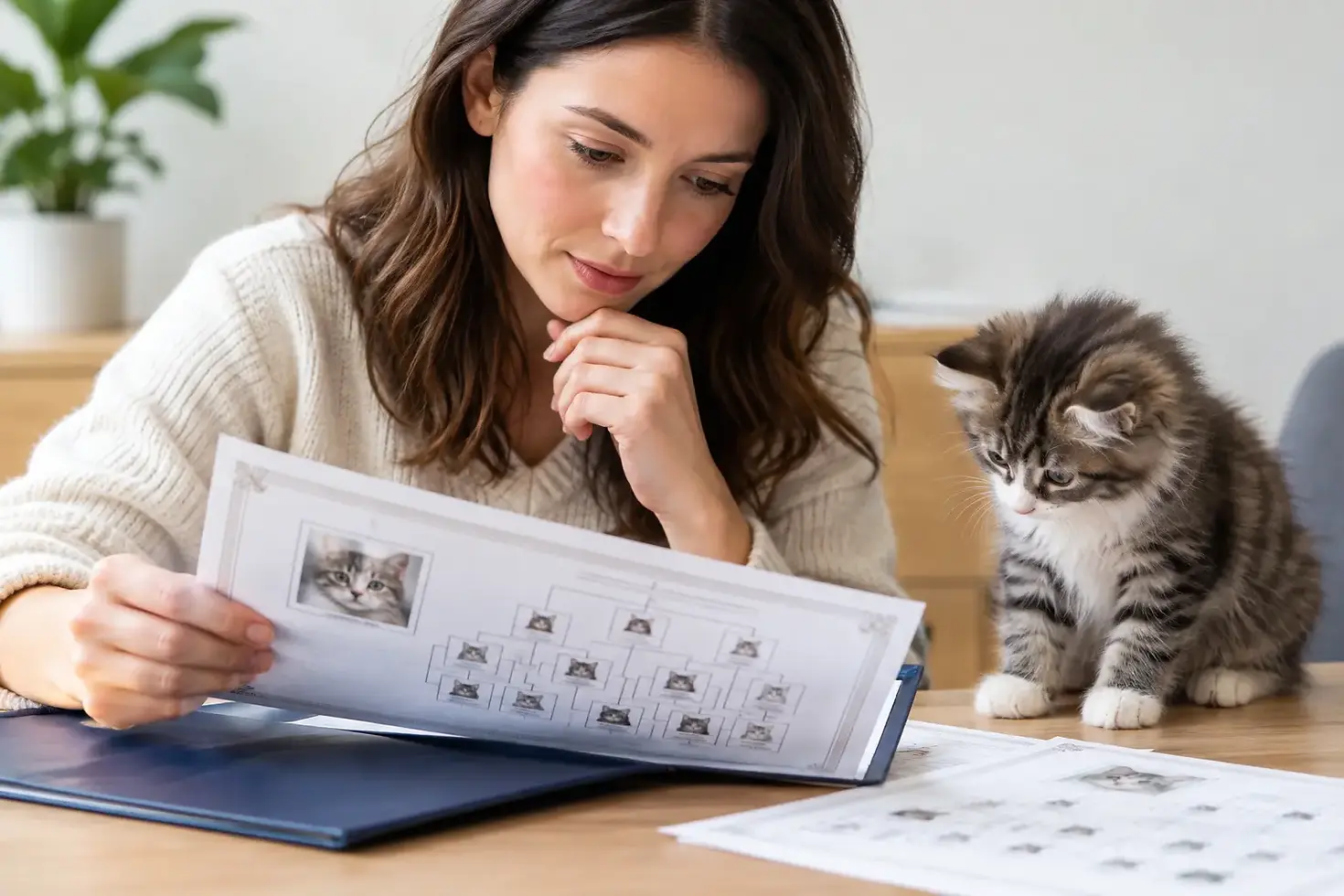
A pedigree is a family tree for a purebred cat. It documents the kitten's registered ancestors, usually over three, four, or five generations. Depending on the registry and breeder, you may receive a printed pedigree with your kitten's paperwork or be able to request one after registration is complete.
At the top or bottom of the document, you will typically find the kitten's registered name, breed, date of birth, sex, color, pattern, and registration number. The rest of the page traces back through the kitten's parents, grandparents, and earlier generations.
For a Ragdoll kitten, the pedigree should identify Ragdoll ancestors throughout the documented line. This matters because a pedigree is part of the verification that a kitten is from registered purebred lines, rather than simply a cat who resembles the breed.
Pedigrees are issued through cat registries such as The International Cat Association, commonly known as TICA, and the Cat Fanciers' Association, or CFA. A breeder may work with one registry or more than one. The layout and terminology can differ, but the purpose is the same: documenting lineage.
How to Read Kitten Pedigree Information
Start with the kitten and work backward. The kitten's sire is the father, and the dam is the mother. Their names should appear in the first generation. The next columns or rows list the grandparents, then great-grandparents, and so on.
Registered names are often longer than the everyday names used at home. A name may include a cattery prefix, which identifies the breeder or breeding program that registered the cat. For example, a prefix can help distinguish cats with similar names and provides a traceable connection to their breeder of origin.
You may also see registration numbers beside each cat's name. These numbers correspond to the registry's records. They are not simply decorative details. A breeder should be comfortable explaining which registry issued the pedigree and how the kitten will be registered or transferred to your family.
Color and pattern information can be especially interesting to future Ragdoll families. Common Ragdoll colors include seal, blue, chocolate, lilac, red, and cream. Patterns may include colorpoint, mitted, bicolor, lynx, or tortie. A pedigree can help explain where certain colors or patterns occur in a kitten's family, although genetics are more complex than a quick glance at a chart.
If you see unfamiliar abbreviations, ask the breeder rather than making assumptions. A clear, patient explanation is part of responsible breeder communication. The goal is not to become a feline genetics expert overnight. It is to understand enough to recognize that the paperwork matches the kitten, the breed, and the breeder's stated practices.
What Titles Mean on a Pedigree
Some ancestors may have letters before or after their names. These can indicate titles earned in cat shows or recognized achievements within a registry. Titles vary by organization, but they generally show that a cat was evaluated against the written standard for its breed.
A show title can be a positive sign of a breeder's involvement and commitment to breed type. Still, it should not be treated as the only measure of quality. A titled cat also needs responsible health screening, appropriate temperament, and excellent daily care. For a companion kitten, the most meaningful question is whether the breeder is making thoughtful choices for healthy, well-socialized family cats.
Pedigree Is Not the Same as Health Testing
This is one of the most helpful distinctions for a kitten buyer. A pedigree documents ancestry. Health testing evaluates known health risks in breeding cats. Both matter, but they answer different questions.
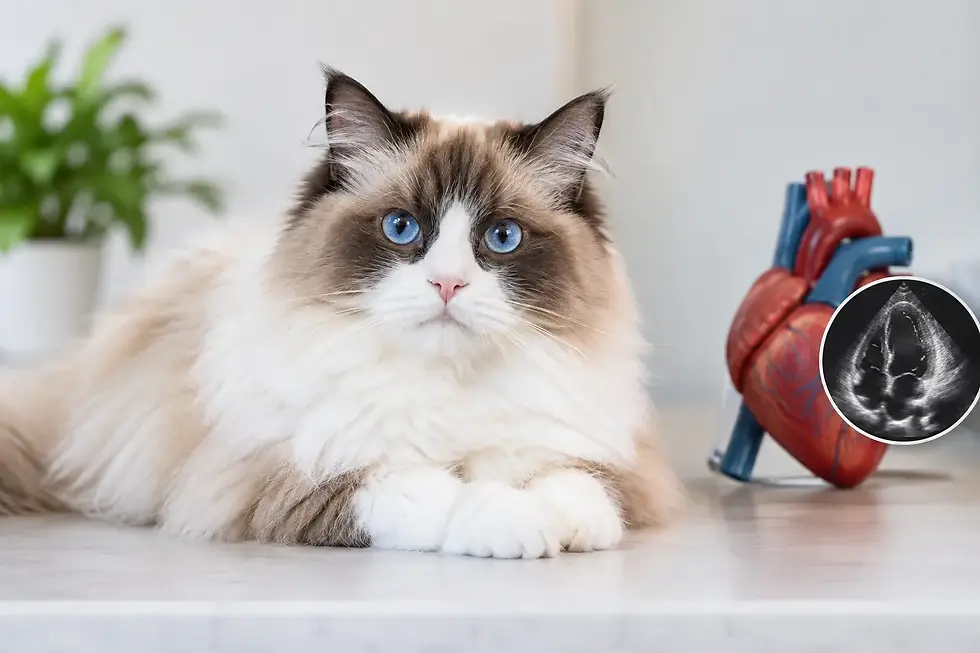
A lovely multi-generation pedigree does not replace testing for conditions relevant to the breed. For Ragdolls, families should ask about screening for feline leukemia virus and feline immunodeficiency virus, often shortened to FeLV/FIV, as well as PKD and HCM testing. HCM, or hypertrophic cardiomyopathy, is a heart disease that can affect cats, including Ragdolls.
Health testing does not create an absolute guarantee against every possible illness. Genetics, environment, and chance all play a role in a living animal's health. But breeders who test their breeding cats, make careful pairing decisions, and discuss results openly are taking meaningful steps to protect the cats in their care and the families who welcome their kittens home.
At Hill Raising Ragdolls, health-focused breeding and careful home raising go together. A pedigree is valuable documentation, but it becomes more reassuring when it sits alongside appropriate testing, veterinary care, clean living conditions, and kittens who have been handled with kindness from their earliest weeks.
Questions to Ask When You Review a Pedigree
You do not need to inspect paperwork with suspicion. A reputable breeder should welcome reasonable questions because informed families make better lifelong homes. Ask whether the pedigree is issued by TICA, CFA, or another recognized registry, and confirm whether your kitten will come with registration paperwork.
It is also reasonable to ask whether the kitten's parents are registered, whether the names on the pedigree match the breeder's records, and what health testing has been completed for the breeding cats. If a pedigree includes repeated names, ask why. Some line breeding may be intentional in established programs, but it should be approached thoughtfully and supported by responsible health decisions.
Ask about the parents' temperaments as well. Pedigrees cannot show whether a mother cat seeks out laps, whether a father is confident around visitors, or how kittens are introduced to household sounds and gentle handling. Those everyday details matter greatly when you are bringing a companion into a busy home, a quiet apartment, or a family with children.
A breeder's willingness to discuss both strengths and limitations is often reassuring. No line, kitten, or family situation is perfect. Honest guidance about personality, coat care, adjustment time, and appropriate placement shows that the breeder is focused on a good match, not simply a quick sale.
Red Flags to Watch For
Paperwork should support a breeder's transparency, not substitute for it. Be cautious if a seller advertises pedigreed kittens but cannot explain the registry, refuses to provide documentation after a deposit, or uses vague claims without records to support them.
Be equally careful with offers that feel rushed. A legitimate pedigree does not erase concerns about poor communication, no contract, no health information, or a seller who will not answer basic questions about how kittens are raised. Scams often use impressive-sounding words, registration logos, and stolen kitten photos to create urgency.
Watch for inconsistencies, too. The kitten's stated breed, color, birth date, and parents should align with the paperwork. A small clerical error can happen, but repeated confusion or evasive answers deserve attention. Trustworthy breeders take records seriously because every kitten represents years of planning and a lifelong responsibility.
Using the Pedigree to Choose the Right Kitten
A pedigree is most useful when you view it as one part of a larger conversation. It can confirm registered ancestry, introduce you to the kitten's lineage, and help you understand the care a breeder has taken to preserve the Ragdoll breed. It cannot tell you everything about the kitten who will curl up beside you, follow you from room to room, or need patience during the first few days in a new home.
Give equal weight to the breeder's health practices, the kitten's socialization, the contract, and the support offered after placement. A well-bred Ragdoll should come from a program that values more than a pretty family tree. The goal is a healthy, affectionate companion raised with purpose and placed where they can truly belong.
When you review a kitten's pedigree, let it start a thoughtful conversation rather than end one. The right breeder will be glad to walk through the names, testing, and next steps with you, because a confident beginning helps create the loving home your kitten deserves.


Comments