


Choosing a Ragdoll Kitten Breeder
That soft coat and easygoing personality can make it tempting to reserve the first kitten you see, but choosing a ragdoll kitten breeder deserves a slower, more careful approach. The breeder you choose shapes far more than your kitten’s looks. It affects health, temperament, early socialization, and the kind of support you receive once your kitten is home.
For many families, this search starts with excitement and quickly turns into uncertainty. One breeder says all kittens are healthy. Another advertises rare colors at unusually low prices. Someone else has beautiful photos but very little information about testing, registration, or how their cats are raised. When you are looking for a Ragdoll, the right breeder should make you feel informed and comfortable, not rushed.
What a responsible ragdoll kitten breeder should offer
A responsible breeder is not simply producing kittens. They are making thoughtful decisions about pairing, health, development, and placement. That means they should be able to explain why they chose their breeding cats, what health standards they follow, and how they prepare kittens for life in a home.
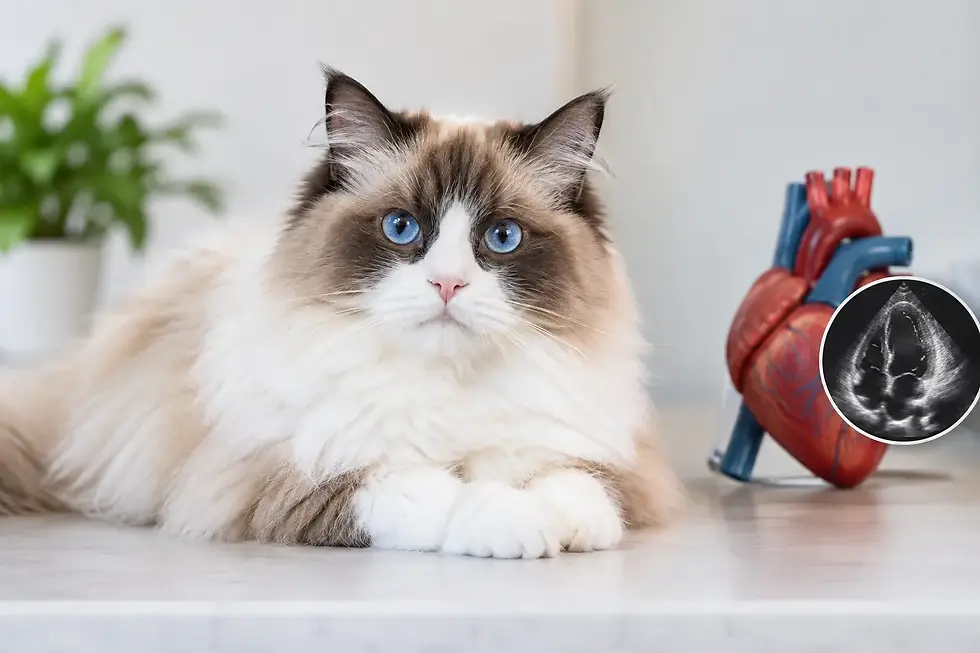
With Ragdolls, health testing matters. This breed is known for its affectionate nature and striking appearance, but good temperament and beauty should never come ahead of sound breeding practices. A reputable breeder should be transparent about screening and willing to discuss the health background of their lines. When a breeder openly shares testing information for concerns such as FeLV, FIV, PKD, and HCM, that tells you they take the long-term well-being of their cats seriously.
Registration also matters, though it should not be the only thing you look at. TICA and CFA registration can show that a breeder is participating in recognized breed standards, but paperwork alone does not guarantee quality. What matters more is whether that breeder is combining registration with ethical practices, low-volume breeding, and a real commitment to each kitten they place.
Health testing is not a bonus
One of the clearest differences between a careful breeder and a careless one is how they talk about health. If health testing is vague, brushed aside, or replaced with statements like "our cats have never had problems," that is a reason to pause. Responsible breeding relies on evidence, not guesses.
A breeder should be able to tell you what testing has been done on their breeding cats and why it matters for the breed. They should also explain the veterinary care kittens receive before going home. That includes age-appropriate vaccines, regular wellness checks, and clear documentation. Buyers should not have to pull basic health details out one question at a time.
There is also a practical side to this. A healthy start does not guarantee a cat will never face a medical issue, because living animals are never fully predictable. Still, strong health screening lowers preventable risk and reflects a breeder who is planning carefully rather than breeding casually.
Why early socialization matters as much as pedigree
Families often focus on color pattern, eye color, or whether a kitten has a particularly plush coat. Those things can be part of the appeal, but day-to-day life with a cat is shaped much more by temperament than markings. A well-socialized Ragdoll is usually confident, affectionate, and easier to transition into a new home.
That starts with how the kittens are raised. Kittens who grow up in a home environment with regular, gentle handling tend to adjust differently than kittens raised with minimal interaction. They learn household sounds, human touch, and routine. They become familiar with being held, observed, and cared for in ways that support trust.
A good breeder can describe this process clearly. They should be able to tell you how often the kittens are handled, what kind of environment they are raised in, and how they evaluate readiness for placement. If every kitten is described in exactly the same way, with no individual notes on personality, that may suggest a less hands-on approach.
A trustworthy breeder is transparent about the process
One reason buyers feel overwhelmed is that the kitten market can be full of pressure. Some breeders ask for immediate deposits without much conversation. Others avoid direct questions, provide very little documentation, or seem more interested in closing a sale than making a good match.
A reputable ragdoll kitten breeder usually has a clear process, and that is a good thing. An application, reservation system, contract, and pickup timeline are not barriers. They are signs that the breeder is trying to place kittens thoughtfully and protect both the kitten and the buyer.
This kind of structure benefits everyone. Buyers know what to expect. The breeder can learn about the home they are placing into. The kitten is less likely to end up in a rushed or unsuitable situation. Good breeders do not treat kittens like inventory. They treat placement like a responsibility.
That often means you may need to wait. While waiting is not always easy, it is usually a better sign than seeing a long list of available kittens at all times. Quality-focused breeding programs typically produce fewer litters and put more time into each one.
Red flags that deserve a second look
Not every concern means a breeder is unethical, but some patterns should make you slow down. Very low prices, a constant supply of kittens, no mention of health testing, and little interest in your home environment are all warning signs. So is poor communication once money enters the conversation.
Be cautious with breeders who rely heavily on emotional urgency. If the message is essentially "send payment now or lose your chance," that pressure may be hiding a lack of substance. A good breeder understands that buyers need time to ask questions and feel confident.
Photos alone are not enough either. Beautiful kittens can come from poor breeding situations just as easily as good ones. You want to see substance behind the images - registration, health information, a clear contract, thoughtful policies, and a willingness to educate.
The right breeder will care where their kittens go
This is one detail many first-time buyers do not expect. The best breeders often ask quite a few questions. They may want to know whether you have children, other pets, or prior cat experience. They may ask about your schedule, your home setup, and whether you understand grooming, nutrition, and indoor safety.
That should be reassuring, not irritating. It means the breeder is thinking about fit. Ragdolls are generally known for being loving and people-oriented, but each kitten is still an individual. Matching personality, household rhythm, and expectations can make the transition much smoother.
At Hill Raising Ragdolls, that family-centered approach matters because a kitten is not simply being sold. A relationship is beginning. Buyers need guidance, and kittens need homes that are ready to receive them with patience and care.
Questions worth asking a ragdoll kitten breeder
It helps to ask direct questions and pay attention not only to the answers, but also to the attitude behind them. Ask what health testing has been completed on the parents. Ask how the kittens are socialized, what veterinary care they receive, when they can go home, and what support is offered after pickup.
You can also ask how often the breeder produces litters and how they decide which homes are the best fit. There is no single perfect answer to every question. Some programs differ in their routines or timelines. What matters is that the breeder answers openly, consistently, and with real knowledge of their cats.
If the conversation leaves you feeling dismissed or pressured, trust that instinct. Bringing home a kitten should feel exciting, but it should also feel grounded and well supported.
Choosing with both heart and caution
Most people searching for a Ragdoll are looking for something very personal. They want a companion with a sweet disposition, a beautiful presence, and the kind of personality that fits naturally into family life. That is a lovely goal, but it is best reached through discernment, not speed.
A good breeder offers more than a kitten. They offer evidence of care, a thoughtful process, and a strong start for the life you are about to welcome into your home. When you find a breeder who values health, socialization, and responsible placement over quick sales, you are far more likely to bring home a kitten who has been raised with the same love and attention you plan to give for years to come.
Take your time, ask careful questions, and choose the breeder whose standards give you real peace of mind.


Comments